Athlete’s foot cream is one of the most commonly used treatments for fungal foot infections, helping to relieve itching, redness, cracked skin, and general discomfort. Athlete’s foot is caused by a fungal infection that thrives in warm, moist environments such as communal showers, swimming pools, gyms, and inside tight or non breathable footwear. Although the condition is common, it can become persistent or spread if left untreated, which is why early and consistent treatment is important.
Causes and Symptoms of Athlete’s Foot
Athlete’s foot is a contagious fungal skin infection that most often affects the skin between the toes, although it can also spread to the soles and sides of the feet. The fungus lives on the outer layers of the skin and is easily passed on through direct contact or contact with contaminated surfaces such as floors, towels, or footwear.
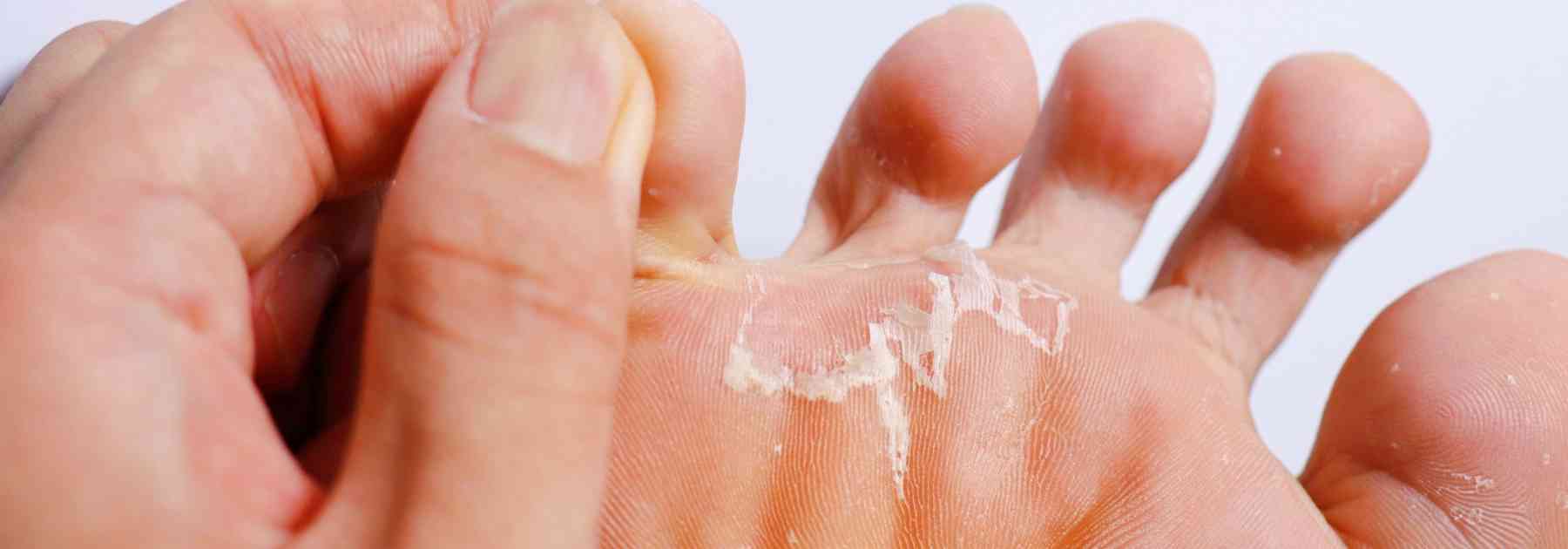
Common symptoms include itching, burning, redness, peeling or flaking skin, and in some cases cracking or blistering. The condition can be uncomfortable and frustrating, but prompt treatment with an appropriate athlete’s foot cream usually leads to improvement.
Antifungal Creams for Athlete’s Foot
Athlete’s foot creams contain antifungal ingredients that work by stopping the fungus from growing and allowing healthy skin to recover. These creams are applied directly to the affected area, delivering treatment where it is needed most. Consistency is key, as stopping treatment too early can allow the infection to return.
Different antifungal creams may have slightly different treatment courses, with some requiring application for several weeks. Unsure which treatment option is right for your symptoms? Contact us to talk through your concerns and get guidance on suitable choices.
Common Active Ingredients
Most athlete’s foot creams contain one of several well established antifungal ingredients. Each is effective when used correctly and for the full recommended course.
- –>Clotrimazole
- –>Terbinafine
- –>Miconazole
- –>Econazole
The choice of ingredient may influence how quickly symptoms improve and how long treatment needs to continue.
How to Use Athlete’s Foot Cream Correctly
Using athlete’s foot cream correctly plays a major role in clearing the infection. Applying too little cream, missing applications, or stopping treatment as soon as symptoms improve can all increase the risk of recurrence.
- –>Wash your feet daily and dry them thoroughly, especially between the toes
- –>Apply a thin layer of cream to the affected area and surrounding skin
- –>Continue treatment for the full recommended duration
- –>Avoid sharing towels, socks, or footwear
- –>Wash hands after applying the cream
Keeping feet clean, dry, and well ventilated during treatment helps the cream work more effectively.
Comparing Types of Athlete’s Foot Cream
The table below outlines common types of athlete’s foot cream and how they are typically used, helping you understand which option may be appropriate.
| Type of Cream | Typical Use | Treatment Duration |
|---|---|---|
| Clotrimazole based | Mild to moderate infections | 2 to 4 weeks |
| Terbinafine based | More persistent infections | 1 to 2 weeks |
| Miconazole based | Inflamed or itchy infections | 2 to 4 weeks |
Preventing Athlete’s Foot From Returning
Once symptoms improve, prevention becomes important to reduce the risk of athlete’s foot returning. Fungal infections are more likely to recur if feet remain warm and damp or if footwear is not allowed to dry fully between uses.
- –>Dry feet thoroughly after bathing or swimming
- –>Change socks daily or more often if feet sweat
- –>Wear breathable shoes and rotate footwear
- –>Use antifungal powder if you are prone to sweating
- –>Wear flip flops in communal changing areas
Call us if you experience frequent recurrences or want advice on long term prevention.
Minor Ailments Service at Murray’s Pharmacy
Murray’s Pharmacy offers a minor ailments service designed to provide quick, convenient support for a range of common conditions without the need for a GP appointment. Athlete’s foot is one of many conditions that can be assessed and managed through this service, allowing you to access advice and treatment promptly.
The minor ailments service can also support conditions such as hay fever, urinary tract infections, nasal congestion, earache, sore throats, and other everyday health concerns. This service helps you receive timely care while easing pressure on GP services.

When to Seek Further Advice on Athlete’s Foot
Most cases of athlete’s foot respond well to antifungal cream, but some infections may require further assessment. If symptoms do not improve, worsen, or spread to the nails, additional treatment may be needed. People with diabetes or weakened immune systems should seek advice early to avoid complications.
Athlete’s Foot Treatment and Support
Athlete’s foot cream can be highly effective when used correctly and consistently. Choosing the right product, following the full course, and addressing prevention all play an important role in successful treatment.
Book now to arrange a consultation at Murray’s Pharmacy in London and discuss athlete’s foot treatment options, minor ailments support, and prevention advice.
