Key Takeaways
- –>Expert advice on hand: Our pharmacists can recommend the right acne cream based on your skin type and acne severity.
- –>Wide product range: From benzoyl peroxide and salicylic acid to prescription-strength retinoids and antibiotics.
- –>No long waits: Get professional guidance without waiting months for a dermatology referral.
- –>Prescription access: Murray’s can help with both OTC and prescription-only topical treatments.
- –>Holistic support: We look at your full health picture, including diet, hormones, and skincare routine.
- –>Conveniently located: Easily reachable from Islington, Shoreditch, Dalston, and across East and North London.
Understanding Acne and Why the Right Cream Matters
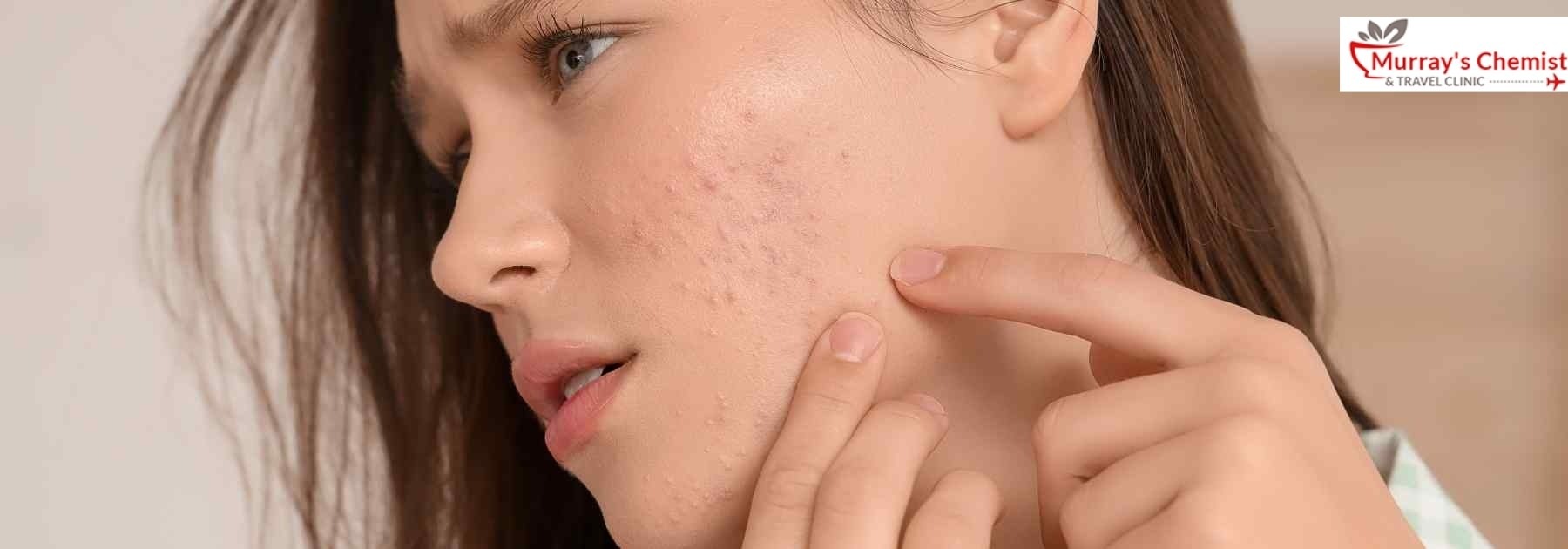
Acne is one of the most common skin conditions in the UK, affecting people of all ages. It occurs when hair follicles become blocked with sebum and dead skin cells, creating an environment where bacteria thrive. The result can range from mild whiteheads and blackheads to more severe inflammatory nodules and cysts. Choosing the wrong acne cream, or applying it incorrectly, can make things worse rather than better.
According to the NHS guidance on acne, most cases can be managed with topical treatments, though it’s important to use the right product for your specific type of acne. That’s where professional pharmacy advice proves invaluable. Rather than guessing at the pharmacy shelf, speaking to a qualified pharmacist ensures you get something suited to your skin and condition.
Types of Acne Creams Available at Murray’s Pharmacy
There is no single acne cream that works for everyone. The most effective treatment depends on the type and severity of your acne, your skin type, and any previous treatments you may have tried. Below is a breakdown of the most commonly used acne creams and what they target:
| Active Ingredient | How It Works | Best For | Prescription Required? |
|---|---|---|---|
| Benzoyl Peroxide | Kills acne-causing bacteria and reduces inflammation | Mild to moderate inflammatory acne | No (OTC available) |
| Salicylic Acid | Unclogs pores and exfoliates dead skin cells | Blackheads, whiteheads, oily skin | No (OTC available) |
| Topical Retinoids (e.g. Adapalene) | Speeds up skin cell turnover and prevents follicle blockages | Persistent or moderate acne | Low-strength OTC; stronger requires prescription |
| Topical Antibiotics (e.g. Clindamycin) | Reduces bacteria on the skin surface | Moderate to severe inflammatory acne | Yes |
| Azelaic Acid | Reduces bacteria and calms redness; also fades post-acne marks | Sensitive skin, rosacea-prone or post-inflammatory hyperpigmentation | Higher strengths require a prescription |
| Niacinamide | Regulates sebum production and soothes inflammation | Oily, combination, or sensitive acne-prone skin | No (OTC available) |
Not sure which treatment is right for your skin? Our pharmacists will take the time to assess your situation and point you in the right direction.
How Murray’s Pharmacy Can Help With Your Acne Treatment
At Murray’s Pharmacy in Hoxton, our team goes beyond simply handing you a product off the shelf. When you come in for acne advice, we take a thorough approach, asking about your skin type, current routine, any allergies, and how long you’ve been dealing with breakouts. We can also assess whether your acne may have an underlying cause, such as hormonal fluctuations. Check our minor ailments page to get the right treatment.
If your acne requires prescription-strength treatment, our team can facilitate referrals or help you access the most appropriate care pathway quickly and without unnecessary delays. We also stock a curated range of dermatologist-recommended skincare brands alongside pharmacy-grade topical treatments.
Tips for Getting the Most Out of Your Acne Cream
Even the most effective acne cream will underperform if used incorrectly. Here are some key tips our pharmacists recommend to maximise results:
- –>Consistency is key: Most acne creams take 6 to 12 weeks to show meaningful results. Stick to your routine even if you don’t see immediate improvement.
- –>Less is more: Applying too much product can irritate the skin and worsen breakouts. Use a pea-sized amount unless otherwise directed.
- –>Use SPF daily: Many acne treatments increase sun sensitivity. A lightweight, non-comedogenic SPF 30 or higher is essential.
- –>Don’t combine without guidance: Mixing benzoyl peroxide with retinoids, for example, can cause excessive dryness and damage the skin barrier.
- –>Avoid picking: Squeezing spots can drive bacteria deeper and lead to scarring. Let your treatment do the work.
- –>Moisturise: A non-comedogenic moisturiser supports the skin barrier and reduces the irritation that some acne creams can cause.
When to Seek Further Medical Help for Acne
While most cases of acne respond well to topical treatment, there are situations where additional support is needed. You should seek further medical advice if your acne is severe, widespread, or causing significant scarring. It’s also worth seeking help if your breakouts are accompanied by other symptoms such as irregular periods, excess hair growth, or unexplained weight changes, as these can indicate an underlying hormonal condition such as polycystic ovary syndrome (PCOS).
Our team at Murray’s can advise you on whether a GP referral or private blood test would be appropriate in your case, helping you get to the root cause of persistent acne rather than just managing the surface symptoms.
Frequently Asked Questions
What is the best acne cream available over the counter?
Benzoyl peroxide and salicylic acid are two of the most well-evidenced OTC options. The best choice depends on your skin type and acne type. Our pharmacists can help you decide which is more appropriate for your specific situation during a quick in-store or booked consultation.
How long does it take for acne cream to work?
Most topical acne treatments require consistent use for at least 6 to 12 weeks before significant improvement is visible. Some people notice initial worsening (called “purging”) in the first few weeks as the skin adjusts, particularly with retinoids.
Can a pharmacist prescribe acne cream?
Pharmacists can recommend and supply a range of OTC acne creams and some pharmacy-only treatments without a prescription. For prescription-strength topical antibiotics or retinoids, you would typically need a GP or prescriber. Our team can help guide you to the right route of access.
Is acne cream safe to use during pregnancy?
Not all acne treatments are safe during pregnancy. Retinoids in particular should be avoided. If you are pregnant or trying to conceive, always consult a healthcare professional before starting any new topical treatment. Murray’s pharmacists can advise on safer alternatives.
Can adult acne be treated with the same creams as teenage acne?
Yes, many of the same ingredients are effective for both, though adult acne is more commonly hormonal in origin. Our pharmacists may recommend investigating underlying hormonal factors alongside topical treatment for adult-onset or persistent acne.
How do I book an appointment at Murray’s Pharmacy in Hoxton?
You can book online or call us on 020 7253 9859. We offer flexible appointment times and welcome walk-in queries during opening hours.
Start Your Journey to Clearer Skin Today
Acne is incredibly common, but that doesn’t mean you have to simply put up with it. With the right acne cream, consistent use, and professional guidance from our team at Murray’s Pharmacy in Hoxton, clearer skin is an achievable goal. Whether you’re starting your treatment journey for the first time or looking for a more effective solution after previous attempts, we’re here to help. From recommending the most suitable OTC product to facilitating access to prescription treatments, Murray’s offers genuinely personalised support every step of the way.
Take the first step and book a consultation at Murray’s Pharmacy today.
